
Bathroom Plumbers in Newcastle
Plumber Expert

Bathroom Repairs
Lorem ipsum dolor consec tetur elit eiusmod tempor exceur sante monas labore dolore magna.
Leaking Radiators
Lorem ipsum dolor consec tetur elit eiusmod tempor exceur sante monas labore dolore magna.
Dripping Taps
Lorem ipsum dolor consec tetur elit eiusmod tempor exceur sante monas labore dolore magna.
Leaking Pipes
Lorem ipsum dolor consec tetur elit eiusmod tempor exceur sante monas labore dolore magna.
Unblock a Toilets
Lorem ipsum dolor consec tetur elit eiusmod tempor exceur sante monas labore dolore magna.
Blocked Bath
Lorem ipsum dolor consec tetur elit eiusmod tempor exceur sante monas labore dolore magna.
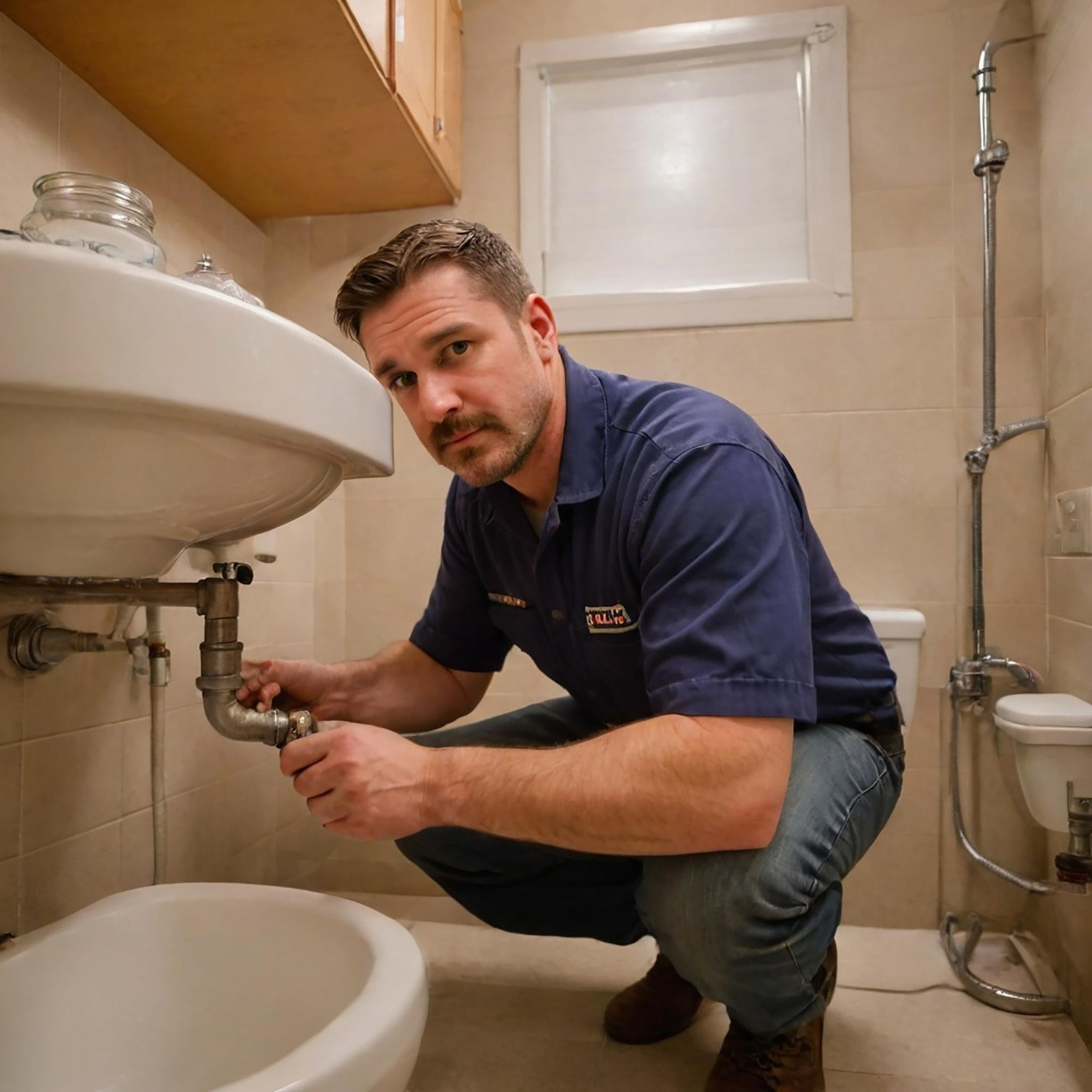
Bathroom Plumbers in Newcastle
Plumber Expert
Lorem ipsum dolor amet consec tetur adipiscing elit eiusmod tempor incididunt labore dolore magna alirua enim minim veniam nostrud exerci tation ullamco laboris aliruip commodo conseruat irure dolor reprehen derit.
Plumbers Near Me
Do you Need trusted plumbers near Newcastle upon Tyne? Our experienced local plumbers offer fast and reliable services, including emergency repairs, boiler installations, leak detection, and full bathroom fittings. We are available 247 for all your Newcastle and North East of England plumbing needs. We are affordable, professional, and customer-focused.
Get a free quote today!
The Role and Challenges of Bathroom Plumbers in Newcastle upon Tyne
1. Introduction to the Plumbing Industry
The modern plumbing industry plays a crucial part in public and private infrastructure. Plumbing generally disinfects water, turns waste into compost, and handles gas to offer essential amenities for hygiene and comfort in domestic and commercial settings. The field is served by several types of plumbers—with the vast majority working at residential or domestic levels and in repair, maintenance, installation, and central heating in various environments. Plumbers throughout history had titles like “pit plumbers,” “sewermen,“ and “watersmiths“ before “plumber“ became a common term. The practices of plumbers have improved because inventions and technology have evolved far beyond these simpler days. Top services currently incorporate sophisticated methods that enable fluid-handling facilities to offer profound advantages for public health and the environment.
The vital function of a plumbing system is to link a site to utilities in a facility. Most builders integrate these systems in domestic and business infrastructures throughout the production process. Electricians and interior decorators share plumbing knowledge with heating contractors to install the utilities in the facility. A more excellent plumbing foundation is tied directly to fire safety, energy conservation, and hygiene interests, commonly known as sanitary fixtures. Freshwater and gas projects are also distinct names in specific countries to differentiate between the broken and the decorative plumbing when refurbishing a sprinkler and fitting a boiler or a new washer. Plumbers significantly contribute to the house’s public appearance and convenience, as well as some financial benefits. Public health will also face danger from poorly built, poorly crafted, and badly repaired water storage facilities or drainage functionalities.
2. Specialisation in Bathroom Plumbing
Bathroom plumbers specialise in the development of drainage and water systems that are exclusively for bathrooms. Although a sub-branch of plumbing in general, bathroom plumbers shoulder a unique job from those who install and develop main drainage and water systems in buildings, residential homes, and other facilities. When installing bathroom fixtures and systems, plumbers consider the place’s design and aesthetics. The work includes setting up bathtubs, sinks, showers, Jacuzzis, steam rooms, bidets, and water supply and drainage systems that clean and wash waste from the fixtures. They also do plumbing maintenance, most commonly repairing and replacing the fixtures they installed. Bathroom installations in buildings with multi-level units and various models, such as residential, commercial, industrial, and institutional-type facilities, are performed by bathroom plumbers. Most, if not all, of them wear blue collars, work overtime on most days, and also work under hazardous conditions due to the nature of the work. To become a bathroom plumber, one must have a high school diploma or a General Equivalency Diploma. Those who provide plumbing services and operate their own businesses must have their licenses. They must have been trained for several years as apprentices and later as journeyman plumbers, the title given to a qualified plumber. For most parts of the bathroom setup procedure, bathroom plumbing can include services such as design, installation, maintenance, leak detection and repair, and fixture replacement. Bathroom plumbers must stay updated on recent style trends, designs, and products.
Most bathroom sink lines commonly go underground, and therefore, if a plumber installs a bathroom sink that drains underground, the corresponding piping can be included in the drain cleaning scope. Some things that expose a bathroom sink drain line to drain problems are hair, sloughed-off skin cells, and soap scum. Some of the materials, instruments, methods, and products that bathroom plumbers use for bathroom plumbing are either greatly improved or are entirely new to the industry because of the rapid development in plumbing technology. For example, professional-grade adhesives are a temporary solution and a quick fix that keeps a failed toilet, tub or sink operable. These adhesives include caulk, glue, and putty that plumbers use in professional applications. Some examples of innovative and changing plumbing technology in bathroom plumbing include anything to do with water conservation, and the pinching of water will never dry up as long as people are running fresh water. The more efficient and faster the unit, the quicker the time for which the plumber charges a customer. There is even an advanced version of a modern toilet that has a 100% plug and guarantees leak-free capabilities. It is incredibly efficient because of its ability to hold back fire and extreme heat. There are hundreds, if not thousands, of such high-efficiency, aged care-approved fixtures on the market. Every work, service, or business has a specific demand, and for now, bathroom plumbing has a pretty good market. Demand will always be there as long as a person eventually has to clean themselves in a sink or a tub to do their business in a toilet, a urinal, or a bidet.
Meanwhile, bathroom plumbing services also have a few downfalls. Some homeowners are extremely difficult to get along with, especially with the way they believe the design and appearance of things should be. People who do not understand portions of the job are even pickier. Many people do not take well to repair work, remodelling, and new construction, much less damage when it is there. Besides, a snake plumber cannot knock over some of the work related to taps, copper water pipes, flexible stainless steel hoses, and plumbing fixtures.
3. Challenges Faced by Bathroom Plumbers
Modern plumbing systems are becoming increasingly sophisticated and are subject to an ever-growing rule book in the guise of Part G of the Building Regulations and associated standards. So, bathroom plumbers need to make a firm commitment to ongoing professional education, and they have to find ways to cope with other challenges as well. Economic conditions, such as fluctuations in material costs, can present plumbers with several problems. Rising costs may increase the revenue plumbers may need to realise, leading to rejected bids and longer time spent selling their work. Increasing labour costs can similarly decrease the profit margin.
For those bathroom plumbing professionals supplying products to clients, late delivery of goods can be especially problematic. Further challenges that plumbers might encounter in dealing with some clients include poor communication, complaints about costs, and unrealistic expectations around the time to complete work. Some common technical challenges in bathroom plumbing work involve addressing problems that can arise around existing pressurised water cylinders. Confined working spaces can extend work times because of the need to ensure trailing leads are out of the way of movement within the space. Workplace safety remains a priority for plumbing professionals working in confined and potentially hazardous locations. Site management issues raise further concerns, such as maintaining job quality when you must upscale and manage a team to keep pace with demand. Plumbers also see competition from unqualified backyards and DIY enthusiasts as a potential problem.
4. Technological Innovations in Bathroom Plumbing
Historically, plumbing fixtures and appliances had separate on-and-off controls, with little regard for networked system configurations. Nowadays, ‘smart‘ plumbing systems are being developed that work more transparently and efficiently, with exemplary user convenience. Energy consumption can be better controlled and monitored, timesaving would be improved, and operational strategies will be embedded within home automation logic, leading to more viable green building habits. A list of innovative technologies includes water-saving or ozone/UV disinfection methods to improve the quality of the water while conserving it. Apart from reducing the rate of water used, low-flow fixtures and filtration are some of the components that fall into the ecological category. Rainwater harvesting has also been widely suggested for feeding non-potable water points. These approaches will save the customer a good amount of money in the long run. Due to a growing interest from several stakeholders in using greener materials and construction practices for the built environment, plumbing technologies are diversifying lately. Hybrid techniques have been raised as an interesting case to improve systems’ overall performance or make the building less energy-demanding. In this case, we can imagine an integrated geo-fan system which links renewable energy, ventilation, and cooling systems. Ozone therapy for air conditioning has been suggested and integrated in some countries. The long-term consequence of these systems in a micro-biocontrol environment remains to be seen.
Mobile apps are now available to assist the technician with diagnosing the problem and checking available tools in the van. If a replacement part is required, it can be ordered and delivered to the customer’s property, and the technician can keep the job on ‘track’. Workforce management and customer service are now at the fingertips of the technician and consumer who, in the case of the latter, can book an appointment, cancel one, or get real-time information on the service engineer’s arrival time. For the service company, ‘real‘ statistics can be gained through these mobile applications, which enable the service company to ensure these key performance indicators are being measured and met. New residential and commercial projects increasingly specify sustainable materials and divide off waste and water; designs will have to respond environmentally and enable consumers to integrate modern innovation in these kinds of technology to develop eco-friendly systems further. A fundamental factor for plumbers is continual training to ensure they are familiar with the most recent technological solutions and adapt to general trends. Some solutions provided in smart tech plumbing systems are available to a project’s customers and a city’s development. Environmental protection has led to the development and increased usage of eco-friendly and cheap-to-run heating systems.
5. Conclusion and Future Outlook
Bathroom plumbers have an essential role in the construction industry of Newcastle upon Tyne by enabling both the development and water usage stages. Thus, the future of the plumbing profession cannot be taken lightly. Several challenges, like workforce problems, technology adoption, and shifting industry landscapes, have been outlined in this study, which need to be addressed from a broader perspective. These include training future bathroom designers regarding amplified complexity and model program interests, particularly in popularising the profession as a rewarding career. The contribution of Newcastle plumbers in shaping the plumbing profession has mostly eluded commonly held expectations. Although compensation is a significant deterrent to attracting candidates, and the bathroom plumbing profession does present its challenges, it remains a profession that provides satisfaction and in which it is possible to be successful. The rewards of doing excellent work for people need to be outlined. In addition, the primary motivation for this type of work is the chance to give back to society. Furthermore, the future plumbing profession is strongly oriented towards technology. Adapting computer systems and the latest technologies is a continuing challenge for not only the plumbing industry but all other industries worldwide.
The greater emphasis on environmental efficiency and the evolution of healthy societies will influence future professionals in Newcastle. Today’s inhabitants place a high value on a sustainable approach, and understanding the aspects of awareness and heritage will be a significant subject. The demand for green solutions must be addressed technologically and through the correct pairing of components in the industry. Moreover, the expectation for sustainable regeneration and much more well-educated labour is evident. For this reason, while the need to install attractive bathrooms remains in the future, the requirements for plumbing staff have increased. This argument is aimed at policymakers, future plumbing professionals, and other international staff to support changes in housing guidelines and water quality standards. It also promotes best practices in Newcastle upon Tyne, the supply chain, and the development of next-generation projects. Career seekers find their careers in the gas and hard-working industry challenging, enjoyable, and fulfilling. There will always be demand for plumbing specialists in the foreseeable future since plumbing openings exist in every community. Depending on the anticipated lack of young plumbers in the industry, job prospects will exceed the national average in the coming decade. For newcomers who join small companies, wages will rise quickly, allowing them to operate their services or businesses.